
When it comes to getting your vitamins from food vs supplements, the answer isn’t just about quantity — it’s about what your body can actually use. Whole foods deliver vitamins alongside the cofactors, fiber, and phytochemicals that make nutrient absorption possible, while vitamin supplements often skip the nutrient matrix entirely. Vitamins and minerals are most potent when they come from food, accompanied by hundreds of carotenoids, flavonoids, minerals, and antioxidants that aren’t in most supplements. At Urban Roots Farms, we’ve built our entire product line around this principle — real plant-based food sources that deliver beneficial nutrients your body recognizes and absorbs.
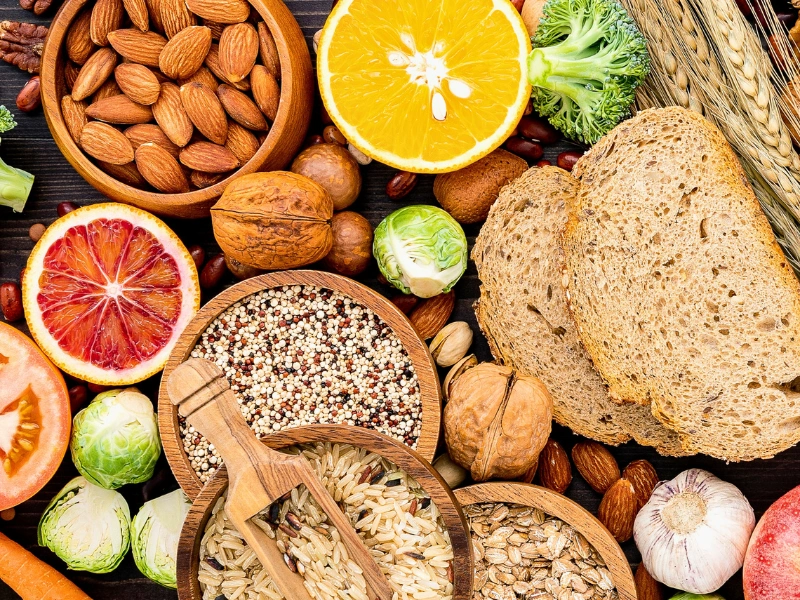
Whole food wins — by a significant margin. For example, zinc can balance iron and copper absorption, vitamin C improves non-heme iron absorption, and vitamin D improves calcium, phosphorus, and magnesium transport and absorption. These synergistic interactions are built into real food — not replicated in a pill. Studies have shown that absorption of vitamin B12 from animal foods is generally 50% or lower and even less than 5% for synthetic supplements — and nutrient-dense whole foods like microgreens are one of the most effective strategies for closing that gap.
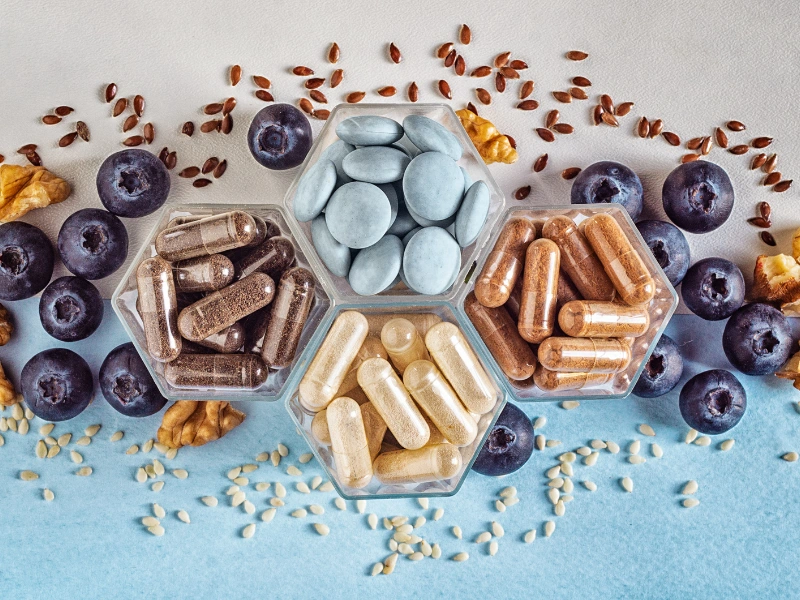
The molecule looks the same — but the body doesn’t treat it the same. Vitamins and minerals extracted from plants associated with natural phytonutrients were found to allow better compatibility with human physiology compared to synthetic counterparts. Several key problems set synthetic vitamins apart from their real-food equivalents:
Real food delivers all of these elements together — synthetic pills deliver none of them.

Because synthetic pills rarely deliver what they promise. Several underlying factors drive people into the frustrating cycle of spending money on supplements while seeing little results:
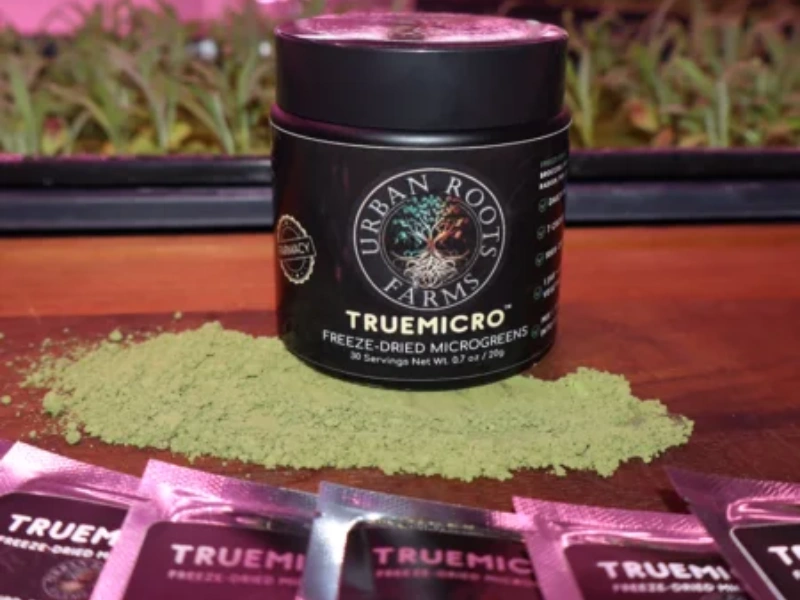
Because freeze-drying preserves what makes vitamins actually work — the complete nutrient matrix. Unlike heat-based processing, freeze-drying keeps enzymes, cofactors, and phytonutrients fully intact. Here’s why that matters:
Freeze-dried whole foods like TrueMicro Freeze-Dried Microgreens deliver everything synthetic supplements promise — without stripping away what makes nutrition work.

Yes — significantly. On average, microgreens contain 4 to 40 times more nutrients than their mature plant counterparts, making them among the most nutrient-dense whole foods available. Here’s why:
Browse our individual microgreens to find varieties best suited to your nutritional goals.

Yes — even with a well-balanced diet. Daily fruits, vegetables, whole grains, and quality protein can still miss the mark. Nutrient loss happens at every stage between farm and table. Here’s why even nutritious foods can fall short:
Our TrueMicro Family Pack makes whole-food micronutrient support easy for the entire household.
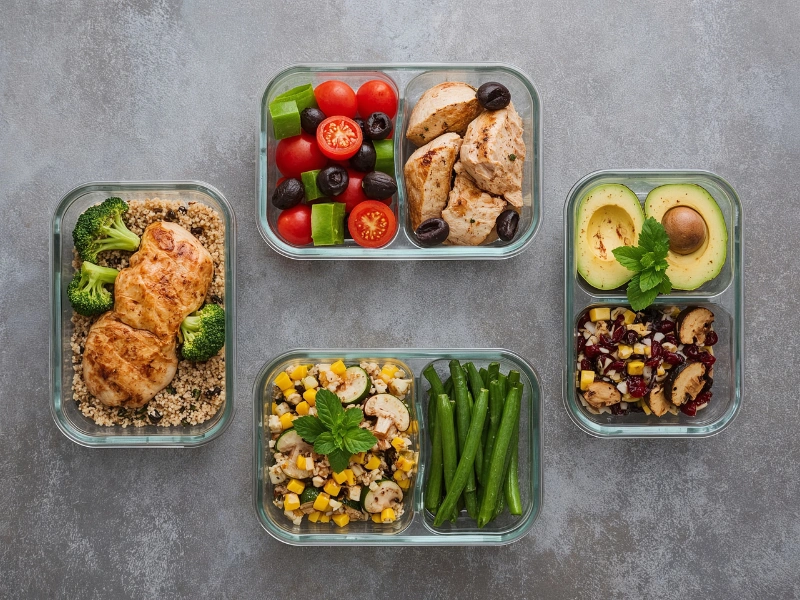
Food first — always. Whole foods deliver fiber, enzymes, phytochemicals, and cofactors that work together to improve absorption in ways synthetic supplements cannot match. Here’s why food wins:
When dietary supplements are needed, choose options that retain their food matrix — not synthetic isolates stripped of it.
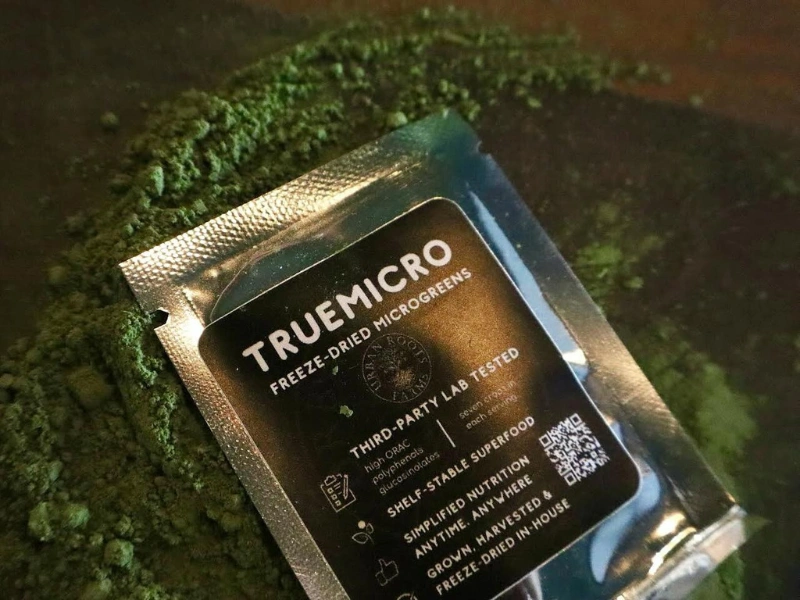
TrueMicro Packets — one ingredient, zero compromises, whole-food nutrition in a single serving.
Each packet delivers a pre-portioned serving of freeze-dried microgreens — no capsules, no fillers, no synthetic isolates. Just the complete nutrient matrix your body was designed to absorb: vitamins, minerals, antioxidants, phytochemicals, and cofactors working together as nature intended.
Here’s how TrueMicro stacks up against a typical pill-based supplement routine:
| Typical Synthetic Supplement | TrueMicro Packets | |
|---|---|---|
| Nutrient source | Chemically isolated compounds | Whole freeze-dried microgreens |
| Nutrient matrix | ❌ Stripped away | ✅ Fully intact |
| Bioavailability | Reduced for many vitamins — varies by form | High — food-form absorption |
| Cofactors & enzymes | ❌ Absent | ✅ Naturally present |
| Gut compatibility | Often causes discomfort | ✅ Food-based, gentle |
| Daily convenience | Handfuls of pills | One grab-and-go packet |
| What you’re consuming | Synthetic molecules | Real, recognizable food |
Add a packet to a smoothie, stir it into water, or mix it into your healthy meals — and absorb nutrients in the form your body recognizes most efficiently.
Explore the full TrueMicro range:
TrueMicro bridges the gap between vitamins from food vs supplements — real freeze-dried whole food, in a single daily serving, delivering the complete nutrient matrix your body can actually use.
Browse our full Powdered Microgreens collection to find the right fit for your nutritional needs — and make the switch from synthetic to real-food nutrition today.
Some people can meet their nutritional needs through a whole-food diet, but soil depletion, transport losses, and storage mean even a healthy diet can fall short on certain vitamins and minerals like vitamin D, magnesium, potassium, and folate. TrueMicro is designed to fill that gap — add it to your daily routine and know your bases are covered.
In rare cases — vitamin B12 (methylcobalamin) for absorption issues or folate for MTHFR gene variants — certain supplements fill important gaps, but food-based or methylated forms are still significantly better absorbed than standard synthetic isolates.
Natural vitamins come packaged within a food matrix alongside cofactors, enzymes, and phytochemicals that support absorption — synthetic vitamins are isolated compounds that lack this matrix, which is why the body absorbs them at a fraction of the rate. Urban Roots freeze-dried TrueMicro delivers what synthetic supplements attempt to replicate.