
Understanding which foods offer the highest levels of nutrients allows you to maximize every bite. From animal proteins to powerful plants, and especially microgreens, some options stand far above the rest.
Urban Roots Farms specializes in growing the most concentrated form of plant nutrition available — microgreens, including micro broccoli, harvested in the early stages of growth when nutrient density peaks. Read on to discover the most nutritious foods in the US and how to add them to your daily routine.
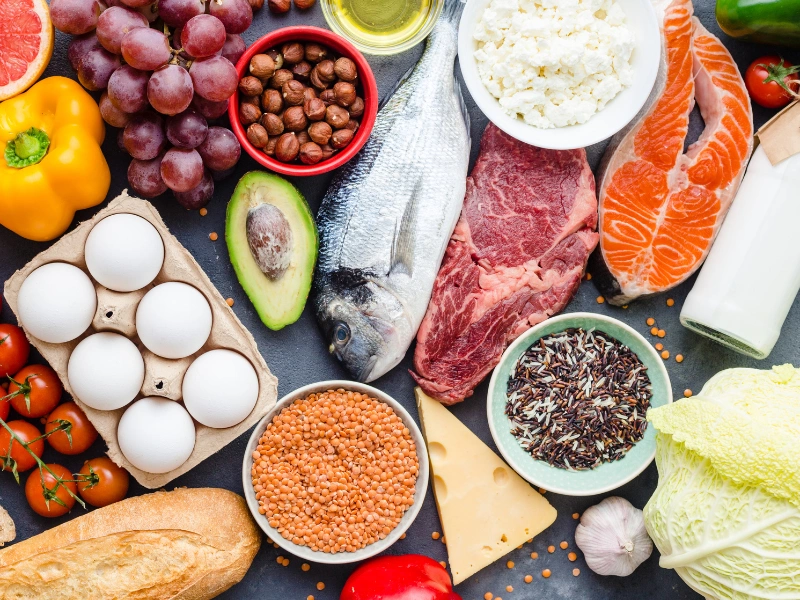
Nutrient density measures how much nutritional value a food delivers relative to its calorie count — the more vitamins, minerals, and beneficial compounds per calorie, the more nutrient-dense it is.
The best way to determine this is by evaluating:
Research suggests that younger plants, especially microgreens and even certain sprouts, deliver nutrients in more usable forms. These early growth stages concentrate compounds that help protect cells, reduce oxidative stress, and support long-term health.

Broccoli microgreens — often called micro broccoli — are among the highest nutrient-dense foods ever studied.
At the early stages of growth, these small plants concentrate massive levels of:
This sulfur-rich compound is one of the most researched plant compounds in nutrition science. Studies and ongoing research show sulforaphane supports:
At Urban Roots Farms, we grow microgreens hydroponically — no pesticides, controlled water, and optimized growing conditions — to preserve every nutrient from seed to harvest.

Organ meats provide one of the most complete nutrient profiles in the animal food category.
They are extremely rich in:
These foods help support energy, red blood cell production, and overall body function.

Salmon is a good source of:
These nutrients help support cardiovascular health, brain function, and a healthy inflammation response.

Beyond broccoli microgreens, the full microgreens category offers incredible value.
Kale, arugula, and other green varieties contain:
Because these plants are harvested young, their growth phase concentrates nutrients more than mature vegetables.

These small fish are:
These fatty fish help reduce the risk of cardiovascular issues.

Eggs provide:
They are one of the easiest foods to eat regularly for balanced nutrition.

Sweet potatoes are:
They also help regulate blood sugar levels when eaten as part of a balanced diet.

Berries are among the best fruits for:
They’re a flavorful, low-glycemic addition to smoothies, salads, or breakfast bowls.

Finding the freshest, most nutrient-rich foods doesn’t have to be complicated. Farmers’ markets, natural grocery chains, and CSA (Community Supported Agriculture) programs are excellent sources for organ meats, pasture-raised eggs, and seasonal produce. Wild-caught fish, like salmon and sardines, are widely available at most major grocery stores, both fresh and frozen.
For microgreens, freshness is critical to nutrient retention. The closer to harvest, the higher the concentration of sulforaphane, vitamins, and minerals. Hydroponically grown microgreens shipped directly from growers maintain the peak nutrient levels. Our TrueMicro Monthly Jar subscription guarantees you always have a steady supply of concentrated plant nutrition without needing a trip to the store.

Building a nutrient-dense diet doesn’t require drastic changes. Start by rotating two or three high-density foods into your weekly meals:
Small, consistent changes create the biggest impact. For the easiest upgrade, try our TrueMicro freeze-dried microgreen powder — one scoop in any meal or smoothie instantly boosts your plant-based nutrient intake with zero prep.
Whether you’re new to microgreens or looking to upgrade your existing routine, our TrueMicro Family Pack is the ideal starting point — giving your whole household access to the most concentrated plant nutrition we grow. Explore our full microgreen lineup and start building the most nutrient-dense plate possible.
Among all commonly available foods, broccoli microgreens rank among the highest for nutrient concentration per calorie. At just 31 calories per 100g, broccoli microgreens deliver 60% of your daily vitamin C and 160% of your vitamin E needs — plus an extraordinary concentration of sulforaphane that far exceeds what you’d find in a serving of mature broccoli or most traditional superfoods.
A landmark 2012 USDA study found microgreens contain 4–40x more nutrients than their mature counterparts, depending on the variety and specific nutrient measured. Young plants concentrate vitamins, minerals, and phytonutrients during the seedling stage — resulting in a small plant that punches well above its weight nutritionally.
The freshest microgreens come directly from the grower, minimizing the time between harvest and consumption — which is when nutrient degradation begins. We grow all of our microgreens hydroponically without pesticides and ship them fresh to customers across the US. Browse our full selection at our online shop or contact us to learn more about delivery options.