Hours: Monday – Friday: 8am – 4pm

info@urbanrootsfarms.com

Best NRF2 Activator Supplements: Food vs Capsules for Cellular Health

Table of Contents

Reducing oxidative stress and supporting long-term cellular health starts with NRF2 activation. NRF2 (nuclear factor erythroid 2-related factor 2) is one of the body’s most critical internal defense systems, regulating antioxidant enzymes that protect cells from damage. While many supplements claim to activate this pathway, effectiveness varies widely depending on bioavailability, formulation, and dosing. Whole-food approaches — particularly fresh or freeze-dried microgreens — often outperform isolated supplements by delivering active enzymes, synergistic compounds, and clinically relevant potency.
Key Insights on NRF2 Activators You Need to Know

  • Sulforaphane from broccoli is the most potent NRF2 activator, supported by extensive clinical trials and human studies
  • NRF2 regulates the antioxidant response element, controlling gene expression, antioxidant enzymes, and detoxification pathways
  • Many antioxidant supplements and dietary supplement formulas are underdosed or lack bioavailability
  • Whole food sources provide both precursor compounds and activating enzymes required for sulforaphane formation
  • Green tea, turmeric, milk thistle, ashwagandha, and compounds like curcumin, quercetin, and resveratrol offer supportive — but weaker — NRF2 activation
  • Consistent daily intake is far more effective than sporadic use of high-dose capsules
  • Microgreens by Urban Roots contain concentrated nutrients that support NRF2 activation, reduce inflammation, and help protect DNA

Essential Principles for NRF2 Activation and Cellular Health

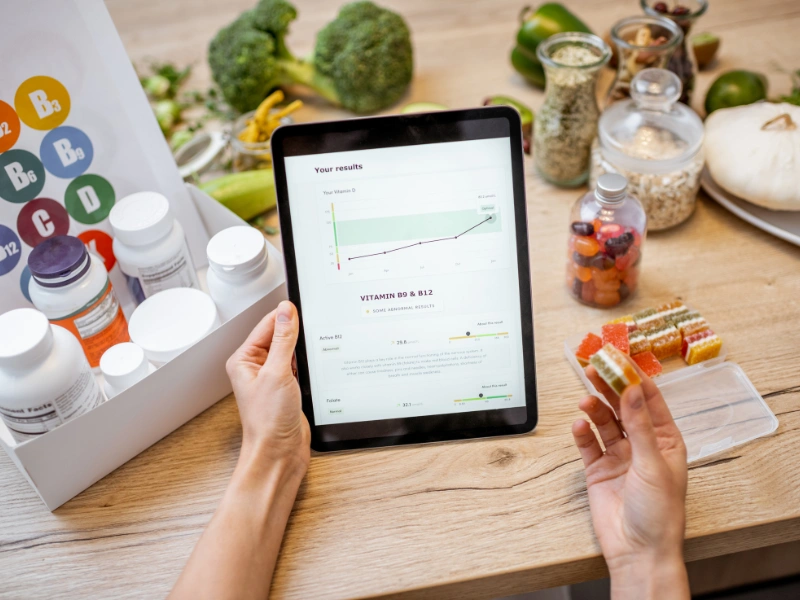
Image showing common NRF2 sources and benefits.

Effective NRF2 activation depends on more than just taking a supplement — it requires the right compounds, delivered in a way the body can actually absorb and utilize. Keep these principles in mind:

  • NRF2 activates endogenous antioxidant and detoxification enzymes rather than acting as a direct antioxidant
  • The NRF2–ARE signaling pathway regulates genes responsible for neutralizing reactive oxidants and maintaining redox balance
  • Oxidative stress is implicated in major age-related declines, including reduced cardiovascular function, cognitive aging, metabolic dysregulation, and cellular damage
  • Potency, bioavailability, and enzymatic activation determine real-world effectiveness

Not all NRF2 activators function equally — selecting the right source is critical for meaningful results.
Top NRF2 Activator Supplements Available in the USA

Sulforaphane-Based Supplements

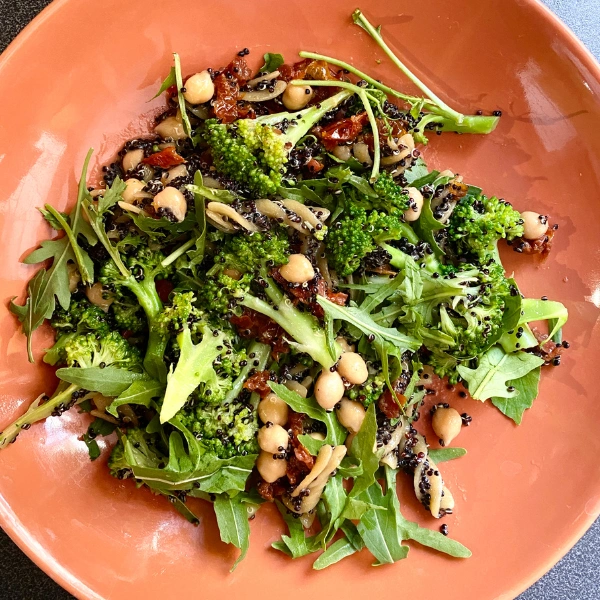
Image showing broccoli sprouts rich in sulforaphane.

Sulforaphane, derived from broccoli and other cruciferous vegetables, is the most extensively studied NRF2 activator. Its protective properties and research-backed cellular support are well established across a wide range of clinical and experimental models.

Key considerations when choosing a sulforaphane supplement:

  • Must include both glucoraphanin (precursor) and myrosinase (activating enzyme)
  • Whole broccoli sprout ingredients are superior to isolated extracts
  • Bioavailability is significantly higher than that of most polyphenol-based NRF2 activators
  • Label transparency is essential — active compound amounts should be clearly stated

The most effective formulations replicate the natural plant system, where glucoraphanin and myrosinase interact to form sulforaphane at the moment of consumption.
Green Tea Extract and EGCG Formulations

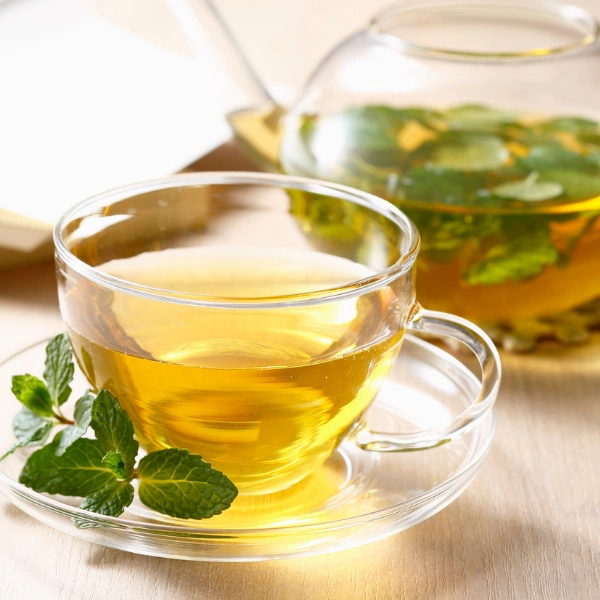
Image of brewed green tea for cellular health.

Green tea extract standardized for EGCG (epigallocatechin-3-gallate) is another commonly used NRF2 activator. EGCG activates the NRF2/ARE pathway, but its potency is lower compared to sulforaphane.

When selecting an EGCG supplement:

  • Look for third-party testing and verified EGCG concentration per serving
  • Avoid proprietary blends that obscure actual dosing
  • Make sure products are free from unnecessary fillers and additives
  • Use physician-guided dosing when necessary, as high levels may interact with medications

EGCG can play a supportive role in a broader NRF2 strategy but should not be relied upon as the primary activator.
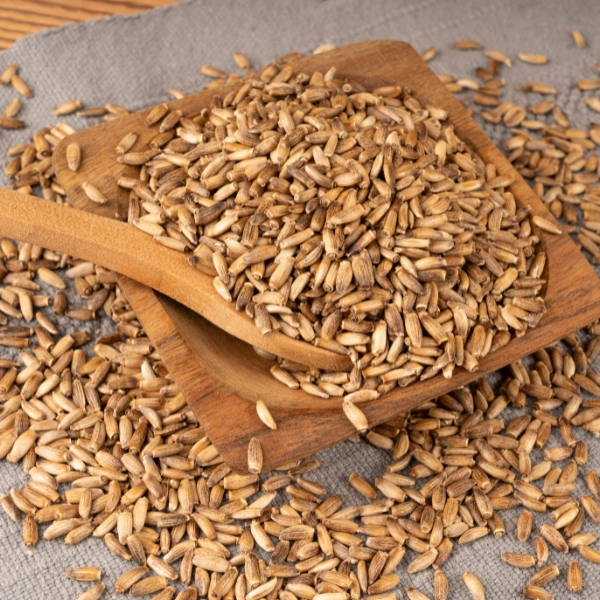
Milk Thistle and Silymarin Complexes

Image showing milk thistle plant and seeds.

Milk thistle (Silybum marianum) is widely used for liver support and antioxidant protection. Its active complex, silymarin, contains multiple flavonolignans that contribute to its biological effects.

Key benefits include:

  • Inhibition of free radical formation
  • Prevention of lipid peroxidation
  • Increased glutathione levels
  • Iron chelation and cellular protection

Despite these benefits, its NRF2 activation capacity is significantly lower than that of sulforaphane. Comparative data show sulforaphane far exceeds silymarin and other commonly marketed phytochemicals in NRF2 induction potency.
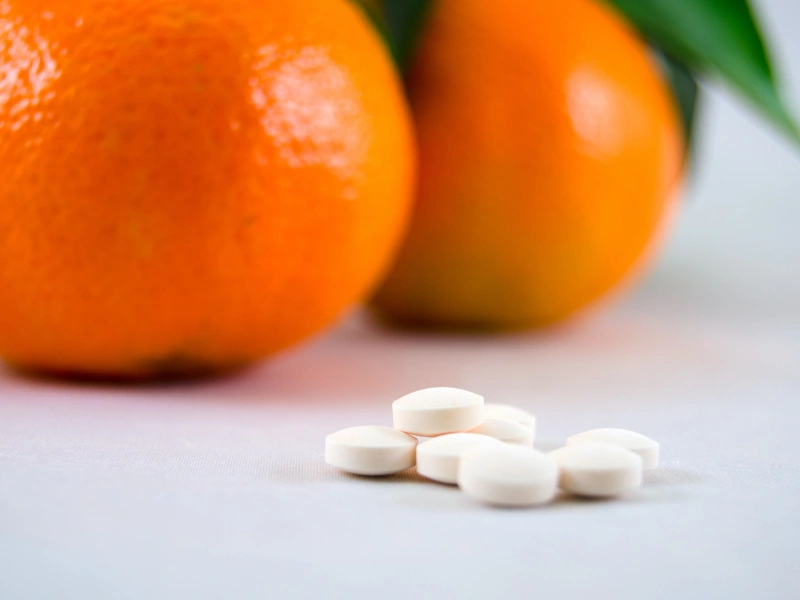
NRF2 Activation Through Food vs Dietary Supplementation

Image representing whole food versus supplement comparison.

When comparing dietary supplementation to whole food, the differences are substantial.

Key insights:

  • Many supplements contain lower doses than those used in human studies
  • Marketing claims often rely on mice or in vitro data
  • Whole foods contain enzymes, protein, and cofactors that supplements lack
  • Nutrients from fruits and vegetables work synergistically

Additionally, relying on pills alone ignores other factors like diet, gut health, and lifestyle.

Weight-to-Effectiveness Ratio: Maximizing NRF2 Activation

Image showing microgreens added to daily meals.

Effectiveness is not just about ingredient presence — it’s about how much active compound reaches the cell.

To maximize NRF2 activation:

  • Choose sources with high sulforaphane yield rather than generic plant extracts
  • Avoid heavily processed supplements that degrade enzyme activity
  • Prioritize formulations that preserve natural plant chemistry
  • Focus on consistent intake rather than high-dose, short-term use

A smaller daily dose of a bioavailable compound is far more effective than large amounts of poorly absorbed ingredients.
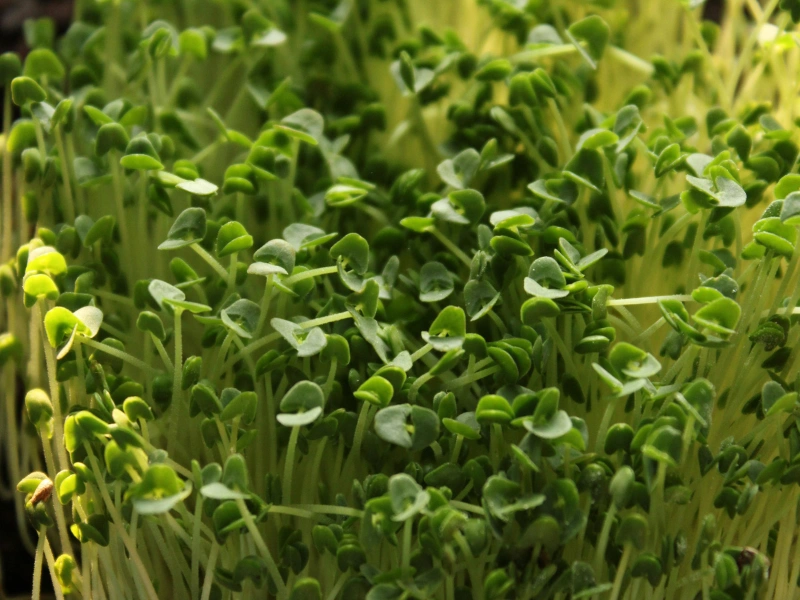
Fresh Microgreens as the Most Potent NRF2 Strategy

Image showing fresh broccoli microgreens close up.

Fresh microgreens, particularly broccoli microgreens, represent one of the most powerful natural sources of NRF2 activation available.

Key advantages:

  • Up to 100x higher glucoraphanin concentration compared to mature broccoli
  • Enzymatic activation occurs naturally when the plant is chewed or crushed
  • Full-spectrum bioactivity supports multiple antioxidant and anti-inflammatory pathways
  • Immediate availability of active compounds without degradation

This combination of potency and biological completeness makes microgreens uniquely effective.
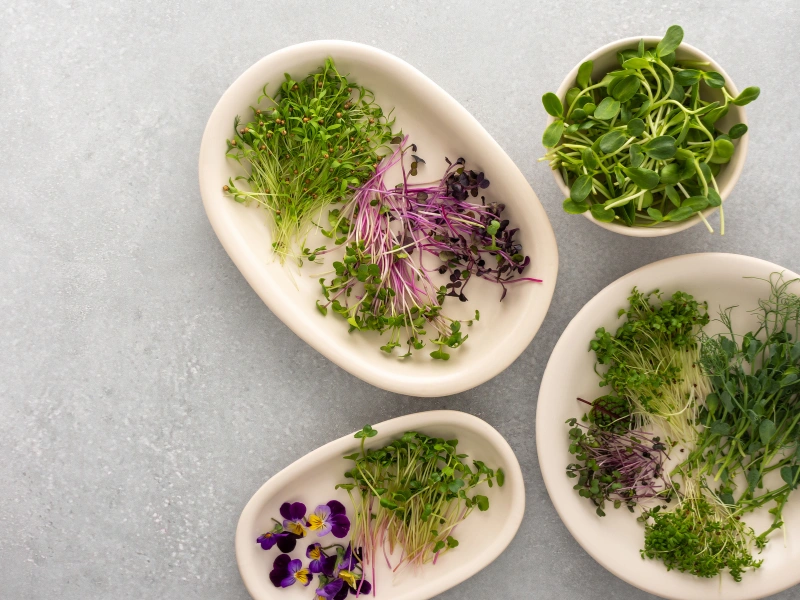
Freeze-Dried Microgreens as a Practical NRF2 Solution

Image showing a variety of microgreens before being freeze-dried.

Urban Roots’ Freeze-dried microgreens bridge the gap between fresh food and supplement convenience. By removing only water, the process preserves enzymes, precursors, and phytonutrients.

Key benefits:

  • Maintains full-spectrum compounds, including glucoraphanin and myrosinase
  • Shelf-stable and portable without refrigeration
  • Easy to incorporate into daily meals or beverages
  • Enables consistent intake without preparation barriers

This approach delivers the benefits of fresh microgreens in a format suitable for modern lifestyles.
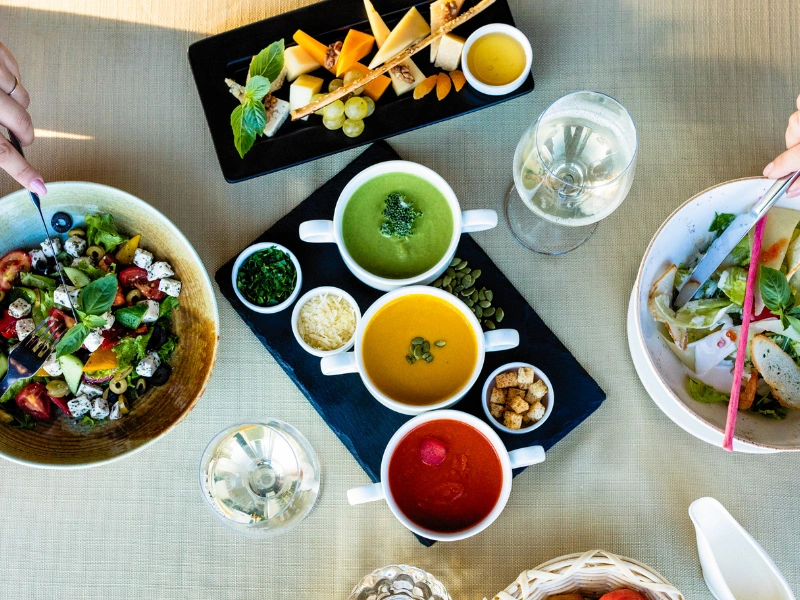
Integration Strategies for Daily NRF2 Activation

Image representing healthy routine with nutrient-rich foods.

Incorporating NRF2 activators into your routine is simple when using flexible formats:

  • Add microgreens or powders to smoothies, water, or meals
  • Combine with healthy fats to improve absorption of lipophilic compounds like sulforaphane
  • Pair complementary phytochemicals strategically for broader pathway support
  • Maintain daily consistency for optimal gene expression and enzyme activity

Small, consistent habits produce significantly better outcomes than occasional supplementation.

Building a Sustainable NRF2 Routine

Image representing a sustainable daily nutrition habit.

The most effective NRF2 strategy is built on consistency, bioavailability, and whole-food nutrition rather than reliance on isolated supplements.

Key components of a sustainable approach:

  • Daily intake of sulforaphane-rich foods or equivalent sources
  • Use of convenient formats that support long-term adherence
  • Focus on full-spectrum nutrition rather than single compounds
  • Avoidance of underdosed or poorly formulated supplements

A consistent, food-first strategy provides the strongest foundation for long-term cellular protection and overall health.

The most effective health strategies are the ones your body can sustain — and that starts at the cellular level. With TrueMicro, every serving delivers the enzymes, precursors, and phytonutrients your cells need to maintain balance, recover efficiently, and perform at their best long-term.

Start Your NRF2 Journey with Premium Urban Roots Microgreens

Frequently Asked Questions About NRF2 Activator Supplements

What is the best NRF2 activator for beginners?

For those new to NRF2 support, food-based sources are the safest and most accessible starting point. Our TrueMicro freeze-dried packets offer a gentle, whole-food introduction — no measuring, no capsules, and no guesswork. Simply mix them into smoothies, yogurt, or water for a daily dose of broccoli microgreens and other sulforaphane-rich varieties.

How can I activate NRF2 naturally without supplements?

The most effective way to activate NRF2 naturally is through food. Phytochemicals found in turmeric, milk thistle, and cruciferous vegetables like broccoli, kale, and arugula are among the strongest natural triggers — and when the NRF2 pathway is activated, the body produces its own antioxidants, which are more powerful and targeted than anything you can take in a pill. Loading your diet consistently with these foods is the most sustainable approach. Urban Roots’ hydroponically grown, pesticide-free microgreens make that foundation easy to build — and easy to maintain.

Does NRF2 activation really provide measurable health benefits?

The evidence is compelling. NRF2 acts as the body’s master antioxidant switch, controlling how cells respond to stress, damage, and aging. Multiple peer-reviewed studies link consistent NRF2 support to reduced oxidative stress, cardiovascular support, and healthy metabolic function. When activated, NRF2 switches on genes that drive the body’s own antioxidant defenses — one of the most powerful protective mechanisms your biology has.

This content is for informational purposes only and is not intended to diagnose, treat, cure, or prevent any disease. Always consult your healthcare provider.