
Hours: Monday – Friday: 8am – 4pm

info@urbanrootsfarms.com

Benefits of Drinking Greens in the Morning for Energy, Gut Health, and Nutrition

Table of Contents

The benefits of drinking greens in the morning go far beyond a simple health habit. Starting your day with microgreens delivers concentrated nutrients, antioxidants, and beneficial plant compounds at a time when your body is best equipped to absorb them. After an overnight fast, your system is primed for nutrient uptake, making this the ideal window to consume vegetables rich in vitamins, minerals, and polyphenols. Microgreens — harvested at early stages of growth — offer a significantly higher nutrient content compared to their mature counterparts and full-grown plants.

While many people focus on calories or follow a high-fat diet, the real driver of long-term health benefits lies in micronutrients. Drinking greens in the morning helps fill those gaps, supporting energy, digestion, and overall nutritional value in a way that makes sense for modern lifestyles.

Key Insights on the Benefits of Drinking Greens in the Morning

  • Drinking greens on an empty stomach improves nutrient absorption and supports cellular sugar uptake early in the day
  • Microgreens contain concentrated nutrients — up to 40x more nutrients than mature greens
  • Rich in antioxidants, polyphenols, and phytochemicals linked to cellular protection and cardiovascular support
  • Supports digestion, fiber intake, and beneficial bacteria growth in the gut
  • Provides steady energy without spikes caused by sugar-heavy foods
  • Supports healthy cholesterol levels already within normal range and supports cardiovascular wellness
  • Easy to incorporate microgreens into any diet — eaten raw, blended, or mixed into water

Essential Principles for Morning Greens Nutrition

Image showing healthy morning nutrition with microgreens — benefits for the entire body.

Morning is one of the most important times to deliver nutrients to the body. After an overnight fast, your digestive system is highly responsive, making this the ideal window to consume nutrient-dense foods like microgreens.

  • Focus on nutrient density rather than just calories or a single macronutrient
  • Include a variety of vegetables from different plant families, such as Brassicaceae (broccoli, cabbage, mustard, and radish)
  • Prioritize whole-food sources over heavily processed supplements
  • Support digestion, metabolism, and energy production early in the day
  • Build a consistent, sustainable habit that fits your lifestyle

When it comes to morning nutrition, the combination of concentrated nutrients and bioavailability in microgreens makes a measurable difference.

Nutrient Density Strategy: Microgreens vs Mature Counterparts

Image showing microgreens compared along with mature vegetables.

Not all vegetables deliver the same nutritional punch. Microgreens outperform many mature plants in key areas.

  • Harvested during the early stages of growth when nutrient content is most concentrated
  • Research in agricultural and food chemistry shows higher levels of vitamins, antioxidants, and polyphenols
  • Provide greater amounts of vitamin C, iron, potassium, and magnesium
  • Compared to mature counterparts and mature leaves, microgreens contain more nutrients per gram

Studies referenced in sources like the USDA National Nutrient Database and food chemistry journals consistently show that microgreens deliver dense nutrition in a smaller serving size than full-grown vegetables.

Microgreens as a Daily Superfood Habit

Image showing fresh microgreens ready for consumption.

Fresh vegetables are essential but not always practical first thing in the morning. Microgreens offer a flexible, efficient solution.

  • Eaten fresh, eaten raw, or blended into smoothies or water
  • Include popular varieties like broccoli sprouts, red cabbage microgreens, radish, arugula, amaranth, mustard, and sunflower
  • Deliver a strong nutritional and antioxidant profile in a handful
  • Often described as “vegetable confetti” due to their versatility and flavor

Microgreens from the Brassicaceae family — including broccoli, cabbage, and mustard — are especially valued for their high levels of beneficial compounds linked to cellular defense and cardiovascular support.

Practical Ways to Incorporate Microgreens Into Your Morning

Image showing adding microgreens to morning meals.

Consistency is key when it comes to health benefits. These simple methods make it easy to incorporate microgreens daily:

  • Blend into smoothies with oats, fruit, or protein
  • Sprinkle over eggs, omelets, or avocado toast
  • Add to sandwiches, wraps, or breakfast bowls
  • Mix into soups or warm water for a quick green drink
  • Stir a TrueMicro packet of freeze-dried powdered greens into yogurt or oatmeal

These approaches make eating microgreens simple, helping you maintain a nutrient-rich diet without extra effort.

True Daily Integration: How Microgreens Fit Into Any Meal

Image showing microgreens added to various meals.

Microgreens work with almost any type of food, making them easy to use consistently.

  • Add to salads, sandwiches, or wraps for extra nutrients
  • Use as garnishes on soups, pizzas, or grain bowls
  • Blend into shakes or mix into water for quick consumption
  • Pair with legumes, lentils, or whole grains for balanced nutrition

Because of their mild to spicy flavor range — from sweet pea shoots to spicy radish — microgreens adapt easily to different taste preferences.
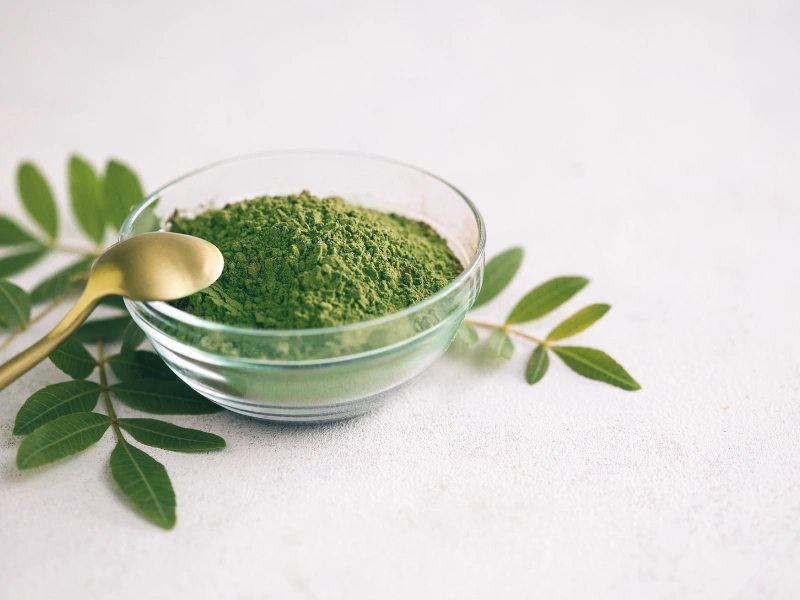
Fresh vs Powdered Greens: Choosing the Best Option

Image showing a fresh greens and powdered greens comparison.

Both fresh and powdered greens support the benefits of drinking greens in the morning, with slightly different advantages.

  • Fresh microgreens: enjoyable texture, flavor, and natural fiber content
  • Powdered greens: convenient, longer shelf life, simple to mix into water or smoothies
  • Both provide concentrated nutrients and support gut health and energy

For busy schedules, powdered greens offer a practical way to maintain consistency without sacrificing nutrient density.

Alternative Morning Nutrition Strategies

Image showing a balanced breakfast with greens and protein.

Microgreens are most effective when combined with a balanced overall approach to nutrition.

  • Pair greens with protein, healthy fats, and complex carbohydrates
  • Add TrueMicro to a low-sugar Greek yogurt and berry smoothie
  • Combine with foods like oats, beans, or whole grains for sustained energy
  • Avoid relying on high-fat or high-sugar breakfast options

This approach enhances energy levels, digestion, and long-term health outcomes.

Quick Add-Ons for Energy and Nutrition

Image of breakfast bowl with microgreens toppings.

Small additions can significantly improve the effectiveness of your morning greens routine.

  • Combine microgreens with nuts, seeds, or fruit
  • Add to smoothies for an extra nutrient boost
  • Rotate varieties like red cabbage, broccoli, radish, and arugula
  • Include herbs like dill, fennel, or chicory for flavor diversity

Rotating microgreens helps maximize nutrient diversity and antioxidant intake.
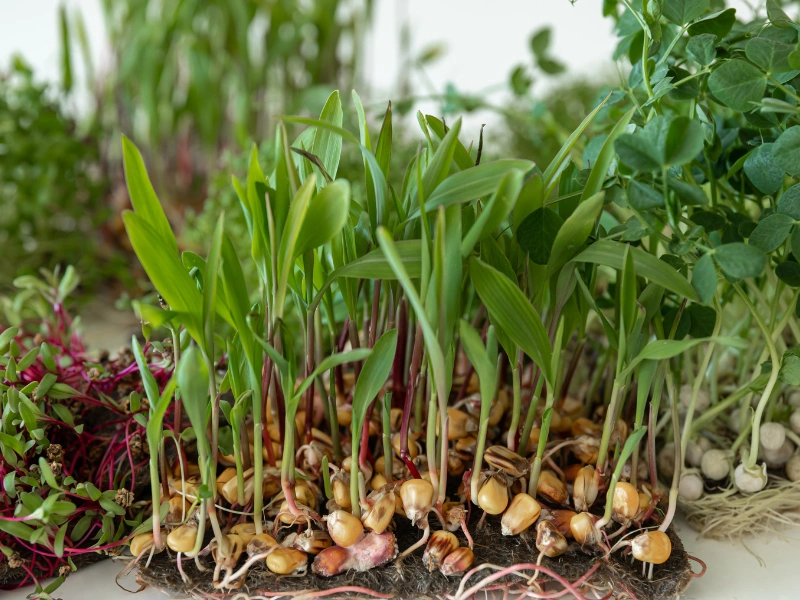
Troubleshooting Common Issues With Morning Greens

Image showing microgreens for different taste preferences.

Even simple habits can come with challenges. Here’s how to address common issues:

  • Taste sensitivity: start with mild varieties like lettuce or sunflower before trying spicy options like radish or mustard
  • Picky eaters: mix TrueMicro into a morning smoothie for added nutrition they’ll never taste
  • Digestive adjustment: begin with smaller servings and increase gradually to support digestion
  • Storage: keep fresh microgreens dry and refrigerated to maintain quality

Consistency is key: with fresh Urban Roots microgreens in the fridge and TrueMicro packets in your bag you’ll never be without your morning greens.

Transform Your Routine with Morning Greens

Drinking greens in the morning is one of the most effective ways to improve your daily nutrient intake. Microgreens provide concentrated nutrients, antioxidants, and beneficial plant compounds that support energy, digestion, and long-term health.

Whether you are growing microgreens at home, buying them fresh, or using a powdered option, incorporating microgreens into your morning routine helps reduce risk factors for chronic disease while making your diet more efficient and nutrient-dense.

Common Questions About Morning Greens Consumption

What is the right amount of greens to have in the morning?

A general starting point is one serving of fresh microgreens (roughly 1–2 oz by weight) or one TrueMicro packet of powdered greens mixed into water or a smoothie. Individual needs vary based on dietary goals, body weight, and overall nutrition. If you’re new to microgreens, starting with one serving daily and building the habit is more important than the precise amount. Consult a healthcare professional if you have specific medical conditions or take medications that interact with vitamin K or other nutrients in leafy greens.

Can I combine microgreens with other morning supplements?

Yes, in most cases. Microgreens pair well with protein powders, omega-3 supplements, and probiotics. However, because greens — especially leafy varieties — contain vitamin K, those on blood-thinning medications should consult their doctor before significantly increasing intake. Spacing greens and certain mineral supplements (like calcium or iron) by 30–60 minutes can also optimize individual absorption for each nutrient.

What’s the difference between microgreens and regular vegetables for morning nutrition?

The key difference is nutrient density per serving. On average, baby greens contain up to 40x the nutrients found in the same quantity of their full-grown counterparts — with higher concentrations of vitamins, minerals, and antioxidants that make them especially valuable for a morning routine. Urban Roots’ fresh microgreens bring that advantage to your plate, and TrueMicro freeze-dried powder packets make it just as easy when convenience and speed matter.

This content is for informational purposes only and is not intended to diagnose, treat, cure, or prevent any disease. Always consult your healthcare provider.