Sulforaphane-rich microgreens are among the most science-backed foods for natural cancer prevention, with broccoli microgreens at the top of that list. Sulforaphane has been extensively studied for its ability to combat and inhibit cancer cell growth in breast, prostate, and colon cancers, and broccoli sprouts have been investigated in numerous clinical trials. At Urban Roots Farms, our microgreens are grown to maximize these exact benefits in every serving.
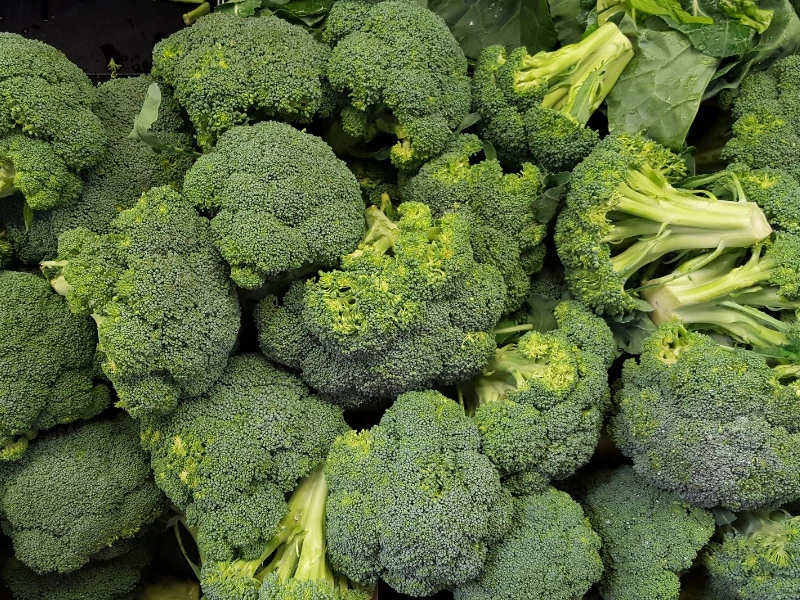
Sulforaphane is a bioactive compound produced when glucoraphanin breaks down via myrosinase enzymes, naturally occurring in cruciferous vegetables like broccoli. Research shows it fights cancer through several well-documented mechanisms:
PubMed lists approximately 600 publications reporting induction of cell death, cell cycle arrest, or enhanced efficiency of chemotherapeutic drugs related to sulforaphane research.
As an anticancer agent, sulforaphane has been reported to inhibit tumor progression and growth across a variety of cancers, such as breast, prostate, colon, skin, lung, gastric, and bladder cancer.
Sulforaphane’s impact on breast cancer cell proliferation and other cancers is well-documented across preclinical research. Key findings include:
These findings position sulforaphane as a leading candidate for suppressing primary tumor growth, reducing cancer cell migration, and reshaping the tumor microenvironment — particularly in triple-negative breast cancer research.
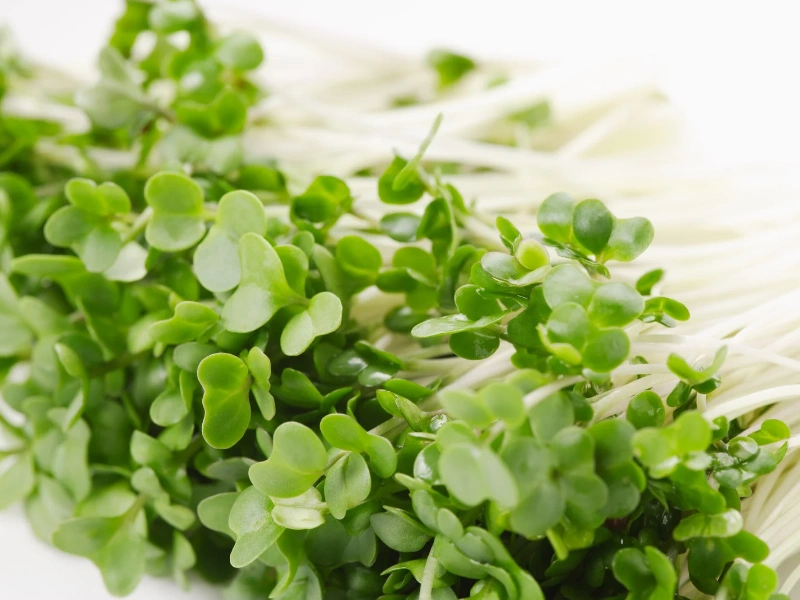
Microgreens can offer up to 100 times the sulforaphane content of mature broccoli while retaining a rich vitamin profile. Broccoli sprouts are the richest source of sulforaphane, containing significantly higher concentrations than mature broccoli, making them one of the most efficient ways to obtain this beneficial compound.
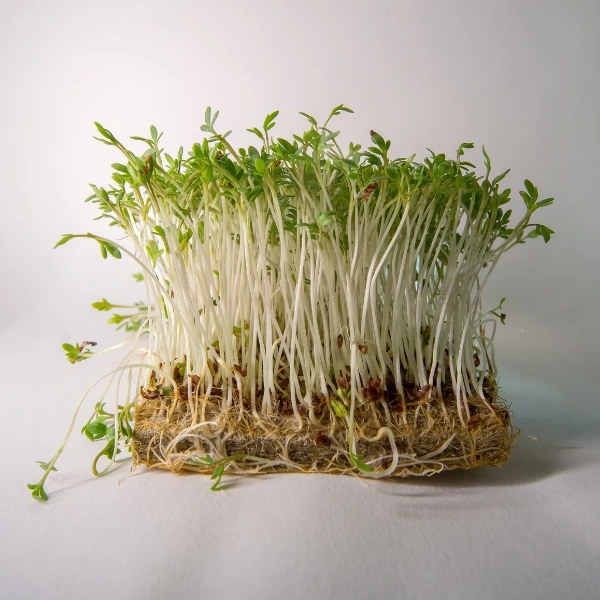
Among the cruciferous vegetables, broccoli and broccoli sprouts have been shown to contain the highest concentration of glucoraphanin, the sulforaphane precursor, which is also abundant in cabbage, cauliflower, and Brussels sprouts. Sulforaphane is activated when glucoraphanin interacts with the enzyme myrosinase — a reaction triggered by chopping or chewing — so the freshest microgreens always deliver the most bioavailable sulforaphane.
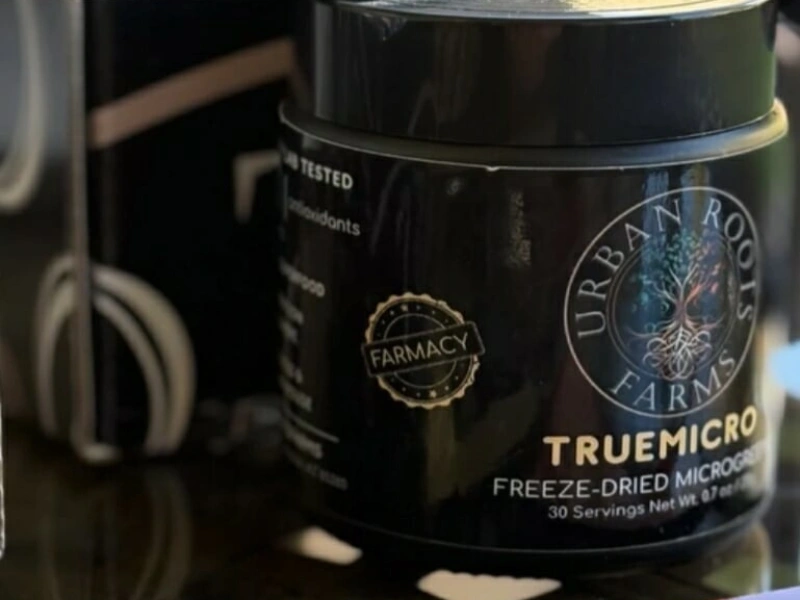
Our TrueMicro line was built for health-conscious consumers seeking a convenient, research-supported source of sulforaphane-rich microgreens. Urban Roots Farms grows hydroponically, refuses to use harmful pesticides, and uses biodegradable packaging. Here are some details:
TrueMicro microgreens are harvested at the cotyledon stage — when glucoraphanin concentration peaks. Microgreens are immature greens harvested 1–3 weeks after germination when the cotyledon is fully developed and before the first true leaves have emerged, and this is exactly when sulforaphane precursors are highest.
Through hydroponic farming, we grow our products using less water, less land, and no harmful pesticides, delivering robust flavors straight from our farm to your table. A pesticide-free environment ensures sulforaphane and other bioactive compounds aren’t compromised by chemical interference.
The best way to access sulforaphane is by eating it in its plant form, where nutrients work together synergistically. When that isn’t feasible, TrueMicro fills the gaps. Our freeze-drying process preserves 98% of the nutrients, ensuring every serving delivers almost the exact potency as fresh-harvested microgreens.
Learn more on our About page.

Chronic inflammation is a known driver of cancer development, and sulforaphane directly targets it. Because sulforaphane neutralizes toxins, it also calms inflammation in the body, which has been linked to several kinds of cancer. At the molecular level, sulforaphane decreases cancer cell growth by enhancing Nrf2 expression while suppressing NF-κB, which downregulates inflammatory markers and supports immune cells in maintaining a healthier cellular environment.

Many individuals explore complementary wellness approaches alongside conventional medical care, including dietary choices and nutrient-rich foods. Sulforaphane-rich microgreens are widely studied for their nutritional profile and antioxidant properties. They offer an accessible and natural way to support overall wellness as part of a balanced diet.
Anyone undergoing active cancer treatment should consult their oncologist before significantly increasing sulforaphane intake, as the potential for interference with conventional drugs is often not well understood. Our Microgreens product page features our full range of sulforaphane-supporting varieties.
No universally standardized dose for sulforaphane has been established, but research offers useful guidance. One study found sulforaphane well-tolerated in 200 adults consuming a broccoli sprout solution nightly for 2 weeks, and its high bioavailability (80%) makes it readily absorbed. Consuming fresh broccoli microgreens raw rather than cooked preserves the myrosinase enzyme, ensuring maximum conversion to active sulforaphane.
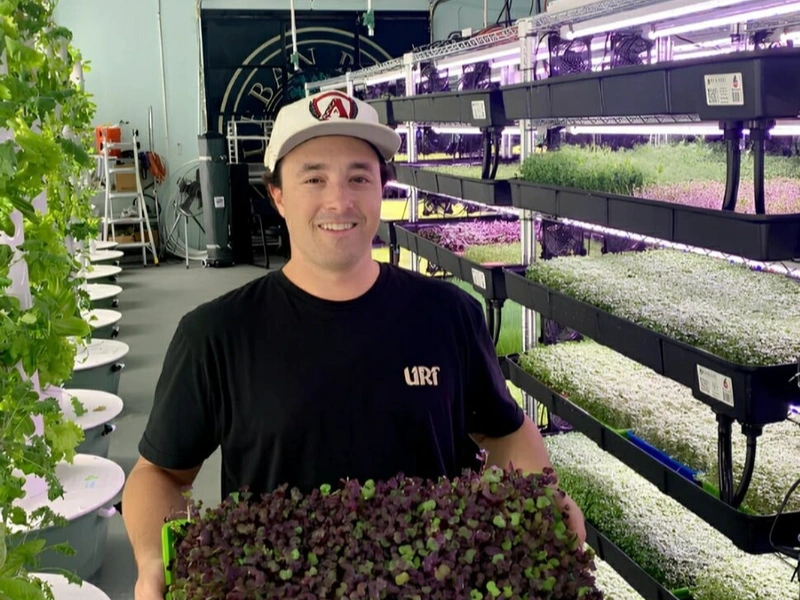
The research on sulforaphane and cancer prevention is compelling. The most effective, bioavailable way to access it is through fresh, hydroponically grown microgreens. Our collection is grown and harvested with nutritional precision, delivering the concentrated sulforaphane content that health-conscious individuals and those navigating cancer risk deserve. Our mission is to provide the freshest, most nutrient-dense microgreens while growing them using less water, less land, and no harmful pesticides. Explore our Microgreens collection, visit us in Scottsdale, or contact us — we’re here to help you build a nutritional foundation backed by real science.
Sulforaphane is a well-researched anticancer plant compound with a strong safety profile and minimal side effects. As with any significant dietary change, consult a healthcare provider to personalize your intake.
TrueMicro is made from concentrated whole-plant microgreens, delivering the same nutrients and synergistic plant compounds found in fresh vegetables in a more convenient form. It’s perfect when eating fresh microgreens isn’t feasible, retaining 98% of nutrients, including sulforaphane.
Research on effective human doses and potential interactions with chemotherapy medication is still limited. If you’re actively undergoing chemotherapy or targeted therapy, speak with your oncologist before making significant dietary changes. As a food-based source, microgreens generally carry a lower risk than high-dose supplements, but your care team is best positioned to guide safe and effective integration.