Hiding vegetables in kids’ meals doesn’t have to be a daily battle. The answer lies in choosing a truly flavorless greens powder with a fine texture and clean ingredients, then pairing it strategically with foods your child already loves. At Urban Roots Farms, our freeze-dried TrueMicro microgreens powder delivers whole-food nutrition without the taste or texture that turns kids off.

Picky eating is often driven by heightened sensitivity to taste, smell, and texture — not stubbornness. For many kids, the earthy, grassy flavor of vegetables is genuinely overwhelming. A quality unflavored greens powder sidesteps these sensory barriers by concentrating essential vitamins and minerals into a fine, dissolvable form that blends invisibly into preferred foods, bridging nutritional gaps without disrupting the flavors your child already accepts.
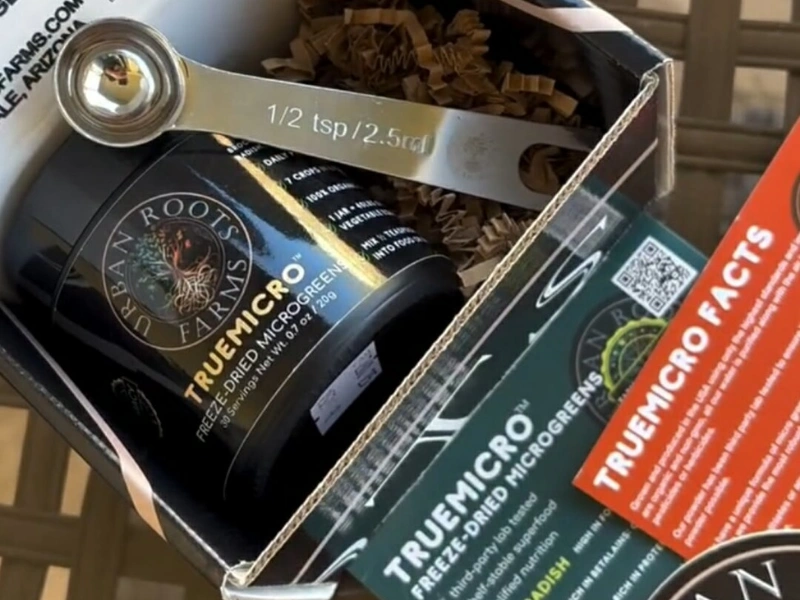
Not all greens powders are created equal, and most fall short on taste neutrality. The best greens powders for picky eaters share a few key qualities: minimal ingredients, fine powder texture for smooth mixability, no artificial sweeteners or artificial flavors, and no added sugar that could create an unexpected aftertaste. Look for products made from organic ingredients that are third-party tested for heavy metals and contaminants.
Our TrueMicro freeze-dried microgreens powder stands out from other greens powders as a premium whole foods option — grown hydroponically without harmful pesticides, finely milled for superior blendability, and packaged in biodegradable materials.
Having the right tools on hand makes the process seamless:
On the ingredient side, stock up on strong-flavored carrier foods: frozen berries, ripe bananas, nut butter, coconut milk, tomato-based sauces, and full-fat yogurt. These foods naturally mask any residual greens flavor and pair well with a greens blend.
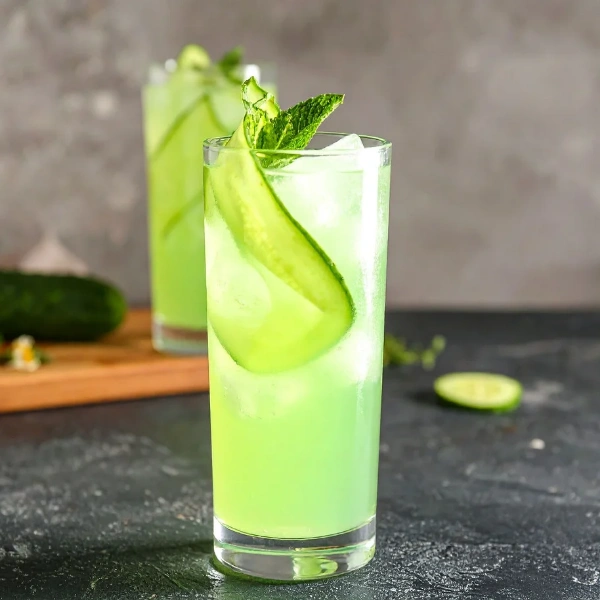
Begin with just ¼ teaspoon per serving — small enough to go completely undetected. Mix the powder into a liquid base (cold water, coconut milk, or juice) before combining with other ingredients; this prevents clumping and guarantees even distribution. Gradually increase by ¼ teaspoon every few days until you reach the full recommended serving.

The best carrier foods share one trait: strong enough color or flavor to absorb greens without a noticeable change.
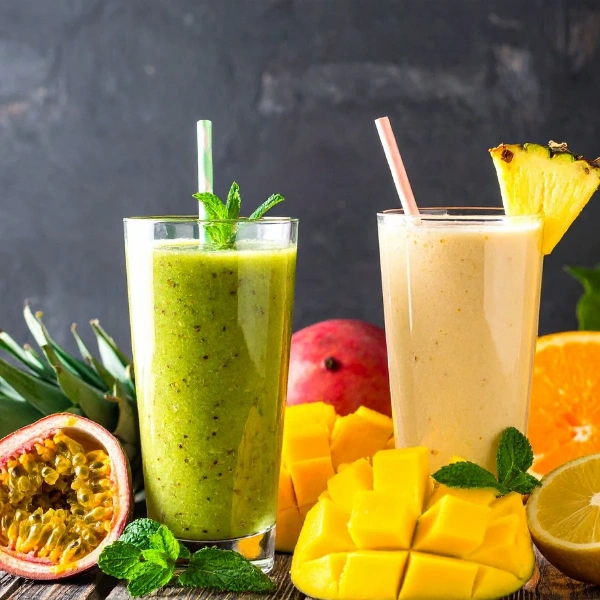
Smoothies are the single most effective vehicle for hiding a flavorless greens powder. A few go-to combinations that consistently work:
For more inspiration, our Berry Spinach Microgreens Smoothie and Sunflower Microgreens Banana Smoothie are both kitchen-tested recipes that prove greens can taste genuinely delicious.

Savory hiding spots are underrated. Use these ratios for reliable results:
Even the best flavorless greens powder will be detected if the preparation goes wrong. Avoid these common errors:

Start with ⅛ teaspoon mixed into fruit puree, applesauce, or warm oatmeal. Only use greens powder in confirmed favorites — avoid adding it to foods they’re already uncertain about, which risks losing those foods entirely.

Older kids respond well to involvement — let them help measure ingredients for smoothies or mix muffin batter without spotlighting the powder. Lunchbox options like pasta salad with hidden greens sauce or a berry smoothie in a thermos travel well. Gradual transparency (“This has a little extra nutrition”) builds long-term acceptance.
Timing and pairing matter for optimal nutrient absorption. Consuming a greens powder supplement alongside healthy fats — like nut butter, coconut milk, or avocado — improves absorption of fat-soluble vitamins like vitamins A, D, E, and K. Morning is an ideal window, as nutrient uptake tends to be more efficient earlier in the day.
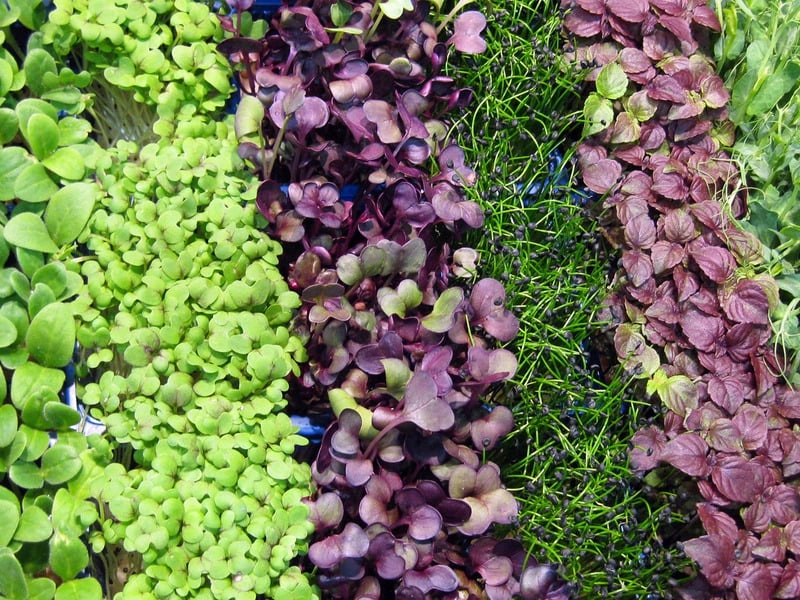
Our fresh Microgreens deliver concentrated nutrition in a small serving — making them a natural partner to powdered greens. When kids are getting comfortable with flavors, fresh microgreens like pea or sunflower varieties serve as a gentle, slightly sweet introduction to whole-food greens alongside their daily powder.
| Problem | Solution |
|---|---|
| Powder floating on top | Pre-mix in 2 oz of liquid before adding to food |
| Green tint in food | Switch to a darker carrier food like a berry smoothie or tomato sauce |
| Gritty texture | Use a high-speed blender; let the blended mixture sit for 60 seconds |
| Child notices and rejects | Drop back to ⅛ tsp for one week, then increase more gradually |
| Clumping in container | Store in a cool, dry place with a sealed lid; add a food-safe silica packet |
The goal of using a flavorless greens powder isn’t to hide vegetables forever — it’s to build a foundation of consistent nutrition while slowly expanding your child’s comfort zone. Over time, transition from fully hidden greens to visible fresh microgreens by introducing small amounts to familiar foods.
Visiting us at Urban Roots Farms — or taking a behind-the-scenes farm tour — is a powerful way to connect kids with where their food comes from. Children who understand food at the source are far more willing to try it on the plate.
Yes — the health benefits of powdered greens include vitamins, minerals, fiber, and antioxidants that support immune health, digestion, and healthy growth. They work best as a supplement to a healthy diet — not a replacement for a balanced diet — filling nutrient gaps while parents work toward broader dietary acceptance over time.
Most greens powders have artificial sweeteners, flavors, colors, or additives. Skip those. Also, watch for high-caffeine ingredients like green tea extract and proprietary blends that don’t disclose exact amounts. Always check for common allergens (tree nuts, soy, and dairy), confirm third-party testing for heavy metals, and consult a healthcare provider if your child takes prescription medications.
Fresh whole vegetables and leafy greens are the gold standard — more dietary fiber, more phytonutrients, and more bioavailability. Greens powders complement rather than replace whole vegetable intake; think of them as a reliable safety net on days when leafy greens and vegetable intake fall short.