
Microgreens are among the most nutrient-dense foods you can add to your plate — and the science backs that up. Harvested just after the first true leaves emerge, typically 7–21 days after the seed begins to germinate, these tiny greens deliver a concentrated dose of vitamins, minerals, and antioxidants that make them one of the most powerful upgrades in healthy eating today.
Yes — microgreens are genuinely good for you, and the science makes a compelling case. These tiny, tender greens are harvested at peak nutritional density, often delivering up to nine times more vitamins and minerals than their mature plant counterparts.

Microgreens are a new class of edible plants that have gained significant popularity. They are larger than sprouts, smaller than baby greens, and harvested at peak nutritional density. Despite their small size, they pack a nutritional punch, often containing higher nutrient levels than more mature vegetable greens — making them a favorite of high-end restaurant chefs and nutritional researchers alike. We grow our microgreens hydroponically in a toxin-free environment to ensure every bite delivers maximum nutritional value.
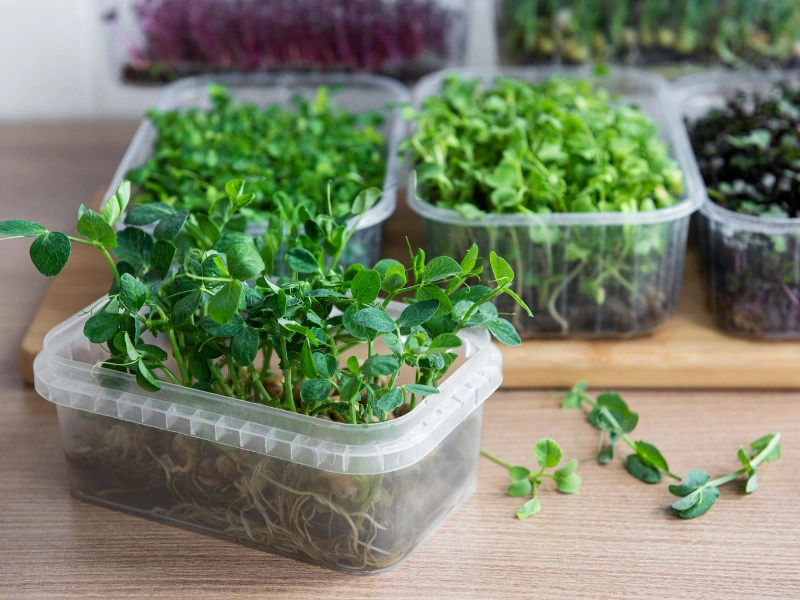
The research on microgreen nutrition is compelling. Most varieties tend to be rich in potassium, iron, zinc, magnesium, and copper. Research also shows they contain a wider variety of polyphenols and antioxidants than their mature counterparts.
A landmark study published in the Journal of Agricultural and Food Chemistry found that the nutrient content of certain microgreens measures 4 to 40 times higher than their full-grown counterparts — a gap that widens as mature plants lose nutrients post-harvest. Explore our full selection on the Microgreens page to find the variety that fits your goals.
Microgreens deliver targeted compounds that actively support cardiovascular health. Key benefits include:
These benefits are most pronounced as part of a consistently balanced diet.
Certain microgreens carry disease-fighting compounds backed by research. Standout examples include:
Together, these varieties make microgreens one of the most versatile tools for everyday wellness.
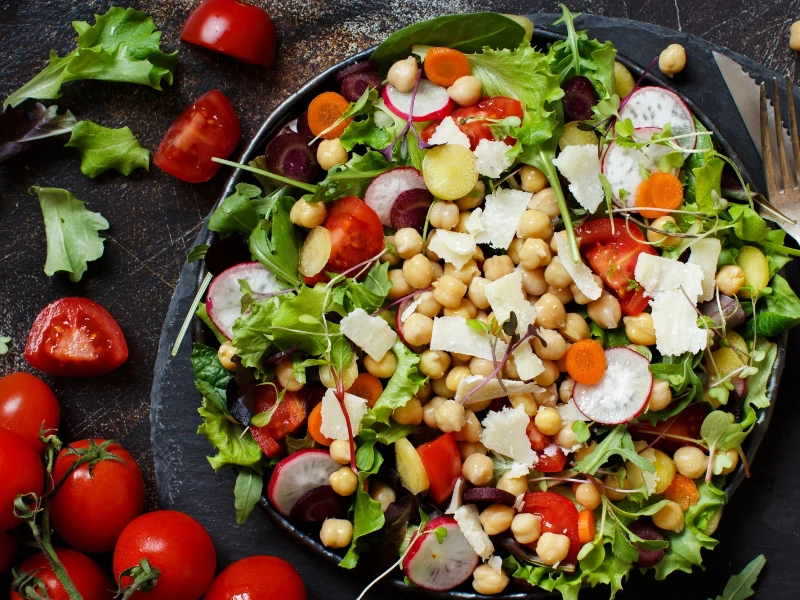
Microgreens fit effortlessly into everyday meals. Microgreens offer the most nutritional bang for their buck when eaten raw — retaining their full vitamin and mineral content. Start with just a handful per day tossed into a salad, layered into a sandwich, or blended into a smoothie. Browse our Recipes page for creative ways to incorporate microgreens into your daily diet.
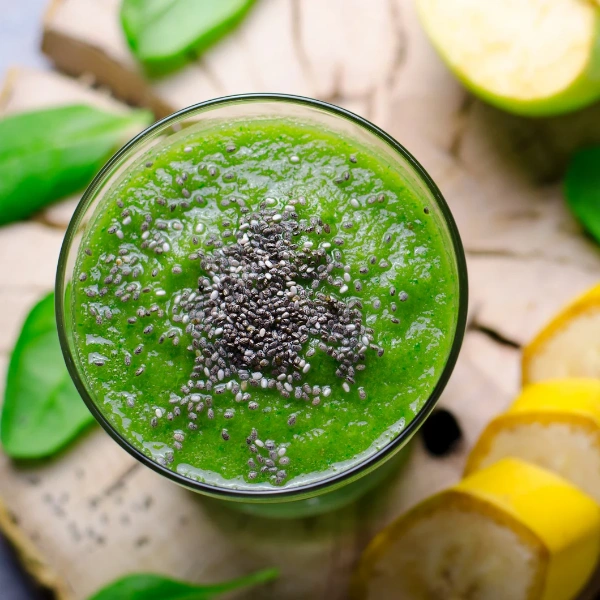
Microgreens go far beyond the salad bowl. They are often used as garnishes in salads, soups, sandwiches, and pizzas. They can also be consumed with healthy smoothies, juices, and other beverages. Each variety brings a distinct flavor: sunflower microgreens have a distinct nutty and earthy flavor with a slightly sweet aftertaste, while radish microgreens have a sharp and slightly spicy flavor reminiscent of mature radishes. Our Pineapple Broccoli Microgreens Smoothie is a perfect example of how to blend bold flavor with serious nutrition in one glass.
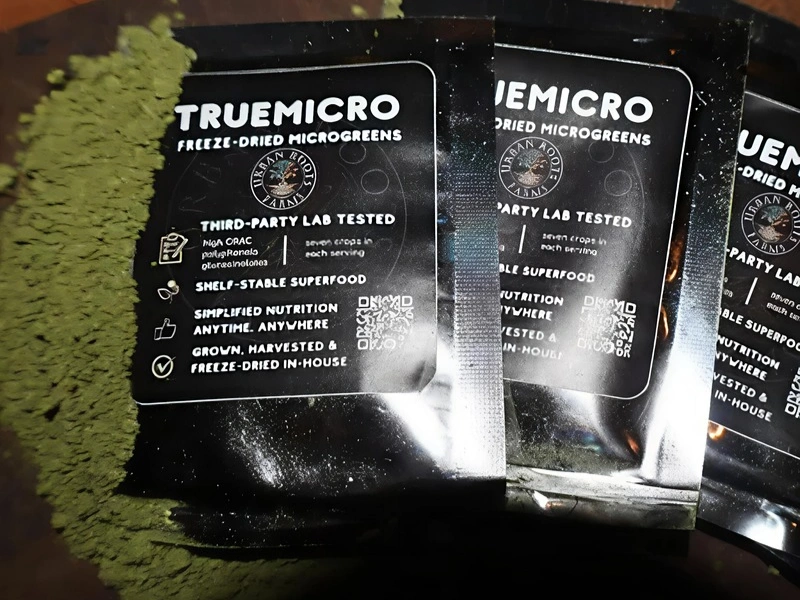
Our TrueMicro brings the nutritional power of freshly grown microgreens into a convenient, shelf-stable form you can use every day. TrueMicro is created by Urban Roots Farms using a blend of organic microgreens that are grown, harvested, and freeze-dried to lock in nutrients and antioxidants — with no prep, refrigerator, or special equipment needed.
Microgreens are safe and beneficial for most people, but pregnant women, immunocompromised individuals, and those on blood-thinning medications (due to high vitamin K in varieties like arugula and kale) should consult their healthcare provider before significantly increasing intake. Always rinse before eating and buy from reputable sources. With a focus on sustainability, we conserve water, avoid harmful pesticides, and use biodegradable packaging — so you know exactly what you’re getting.
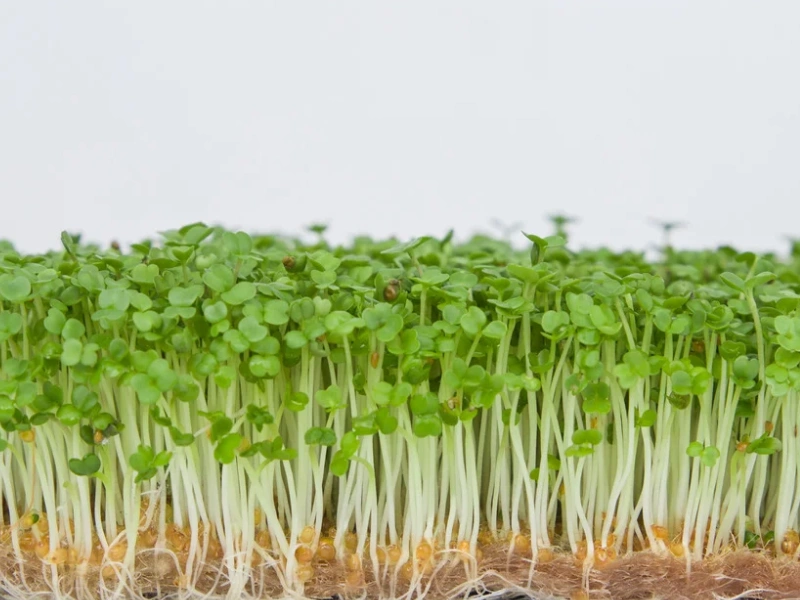
Different microgreens shine in different nutritional areas, making variety the key to comprehensive benefits:
Rotating varieties throughout the week ensures a broader spectrum of phytonutrients. Visit our Microgreens page to explore our full selection and find the blends that align with your health goals.
The evidence is clear — microgreens are genuinely good for you, and adding them to your daily meals is one of the simplest, most impactful nutritional upgrades you can make. Whether your goals center on immune support, heart health, disease prevention, or simply eating cleaner and more sustainably, microgreens deliver. Start small: sprinkle a handful on your next meal and build from there.
We make it easy to get started with our fresh microgreen varieties, beginner-friendly TrueMicro growing products, and a full library of recipes designed to bring microgreens into every part of your day. Have questions about which variety is right for your nutritional needs? Contact us — our team is always ready to help. And to learn more about our commitment to sustainable, clean-growth agriculture, visit our Core Values page.
Yes. Daily consumption is not only safe but encouraged for most healthy adults. Starting with a handful (roughly one ounce) per day is a practical and effective way to boost your nutrient intake without overhauling your diet.
Microgreens absolutely meet the criteria that nutritionists use to define a superfood: an exceptionally nutrient-dense food with well-documented potential health benefits across multiple body systems. Increasing public concern regarding health has prompted people to turn to microgreens, which show potential in the prevention of malnutrition, inflammation, and other chronic ailments.
There’s no single “healthiest” microgreen — each variety excels in different areas. Broccoli microgreens are widely recognized for their sulforaphane content and anti-cancer potential; sunflower microgreens lead in protein and vitamin E; and radish microgreens are standouts for vitamin C and antioxidants. One of the key trends observed across research was the strong antioxidant capacity found across all microgreen species.